
Castleton: Caves, Castles and Cobbled Streets
Castleton sits in a valley between high hills and is known for its peaceful lanes and clear views. The village has a mixture of small shops, stone houses and winding paths that give it a gentle charm. Many people in the area or across the UK like to visit for a quiet walk or to enjoy the calm setting that feels far from busy towns.The landscape around Castleton is shaped by limestone. This soft rock has created many cave systems under the ground. Visitors can explore some of these caves with guides who explain how they formed over thousands of years. The caves are cool and still, and they give a close look at unusual rock shapes.
High on the hill above Castleton stands the remains of Peveril Castle. The castle was built in the Norman period and still feels strong even though only parts of it remain. From the top, you can see across the whole Hope Valley. The climb is steep, but the view makes the effort worthwhile.
The cobbled streets in Castleton are lined with small inns and cafés. These places welcome walkers and families throughout the year. During winter, lights decorate the village and make it feel warm even on cold days.
Bakewell: Market Town Charm and Puddings
Bakewell is one of the most visited spots in the Peak District. It sits beside the River Wye, where ducks and trout can be seen moving gently in the clear water. The town has a busy yet friendly feel, with local stalls and independent shops offering handmade goods and fresh produce.
The weekly market has taken place for many centuries. Farmers, traders and craft makers gather in the main square to sell their items. The market brings life to the town and draws people from nearby villages. It is a chance to find fresh food and talk with the people who grow or make it.

Bakewell is well known for its famous pudding. This dessert has a soft filling with a sweet almond taste.
Several bakeries in the town make their own version based on old recipes. Visitors often like to try more than one to decide which they enjoy the most.
Walking through Bakewell offers plenty of views of historic buildings, old bridges and gentle riverside paths. The town is also close to green trails that lead out into the hills.
Many people choose Bakewell as a base for walking holidays because it has both natural beauty and useful facilities in the centre.
Eyam: The Plague Village with a Remarkable Story
Eyam is known for its brave response to the plague in the seventeenth century. When the disease reached the village, the people agreed to isolate themselves to stop it from spreading to nearby areas. This choice saved many lives outside the town, although it came at a great cost to those who stayed.
You can still see reminders of this period throughout Eyam. Some cottages have plaques showing the names of the people who lived there and the dates they died. These plaques help visitors understand the scale of the sacrifice made by the villagers. They also act as a quiet tribute to the families who endured great hardship.
The Boundary Stone is another important site. During the plague in the 1300s, the locals left coins soaked in vinegar in the holes of this stone so that the food could be brought to them without any close contact. This simple system helped reduce the spread of illness. It shows how the villagers used careful thinking to protect others.
Hathersage: Literary Links and Gritstone Edges
Hathersage is linked to classic literature. It is known for its connection to Charlotte Brontë, who visited the area and used it as inspiration in her writing. Places in and around the village appear in her notes and later in her well-known stories. This gives Hathersage a special place in English literary history.
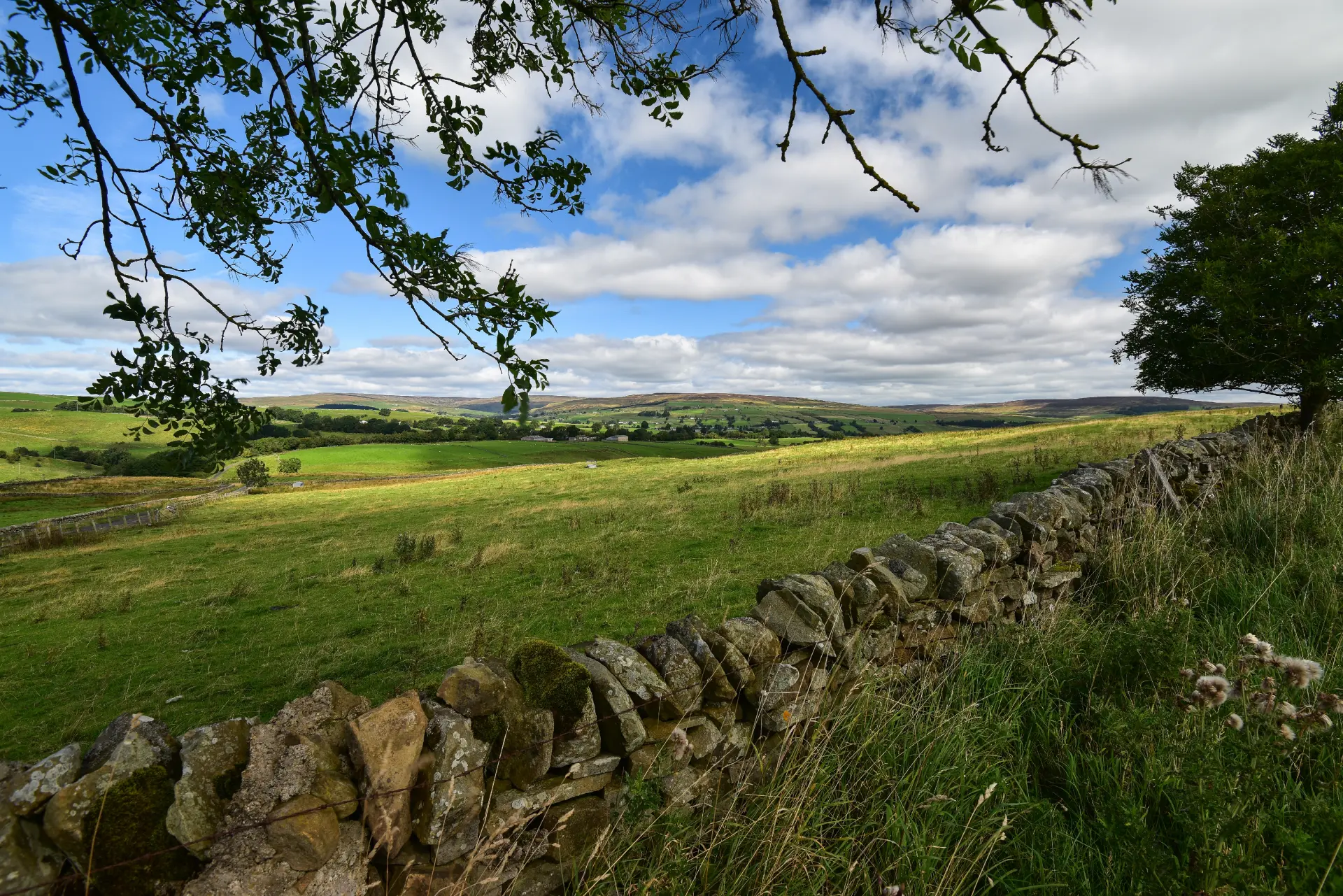
The village sits close to dramatic gritstone edges. These rocky ridges stretch for miles and offer wide views of moorland and valleys. The edges attract a number of walkers and climbers of all skill levels. Trails are often clear and well used, making the area easy to explore for a full day.
Another point of interest is the churchyard, where a grave linked to the legend of Robin Hood can be found. This adds another layer to the village’s story. The link may not be proven, but it remains a popular stop for visitors who enjoy learning about folklore.
Hathersage also has a mix of modern and traditional buildings. Small shops, cafés and pubs sit alongside older cottages. This blend of old and new makes the village feel welcoming.
Its setting near hills, rock formations and open moors makes it a strong starting point for outdoor adventures.
Winster and Birchover: Mining Past and Folklore
Winster has a long history of lead mining. In the past, mines brought work and growth to the area. Some old mine entrances and tools can still be seen around the village. These remains help visitors picture what life was like when mining shaped daily routines.
The village centre has a collection of stone houses and a market hall from the seventeenth century. The hall once played a key role in local trade and meetings. Today it is kept as an important historic structure. Its simple design is typical of buildings from its time and tells a story about community life.
Birchover, not far from Winster, is known for its many unusual rock formations. These natural shapes have inspired local stories for many years. Some people believe they were used for ancient ceremonies, while others see them simply as interesting geological features. The rocks add a sense of mystery to the area.
If you're looking to explore the Peak District National Parks, we're here to provide all the information you'll need on the many sights to see and places to visit. With our very own country lodges, you'll have a comfortable place to stay that is close to all the most historic villages and landmarks.